- This topic is empty.
-
AuthorPosts
-
02/06/2026 at 18:19 #89065
In pharmaceutical manufacturing and quality control, maintaining sterile conditions during production and testing represents one of the most critical challenges facing the industry. Traditional cleanroom environments, while effective to a degree, often struggle to consistently maintain the stringent Class 100 cleanliness standards required for aseptic operations. Manual processes introduce significant contamination risks that can compromise product integrity and patient safety. As regulatory requirements become increasingly rigorous, pharmaceutical facilities are turning to advanced isolation technology to address these fundamental challenges.
Understanding Sterility Testing Isolators
A sterility testing isolator is a fully enclosed, controlled environment system designed to physically separate operators from critical pharmaceutical processes. These sophisticated units create and maintain a stable sterile atmosphere that prevents external contamination while enabling necessary testing and manufacturing activities. Unlike traditional cleanroom setups that rely on air filtration and personnel protocols alone, isolators employ physical barriers combined with advanced environmental control systems to achieve superior contamination prevention.
The core principle behind isolator technology centers on creating an independent, positive-pressure microenvironment that maintains GMP Grade A cleanliness standards continuously. This classification represents the highest level of air quality required for pharmaceutical operations, demanding stringent control of particulate matter and microbial contamination. By establishing a physical barrier between the operator and the product zone, isolators eliminate the primary source of contamination in pharmaceutical processes: human interaction.
Critical Pain Points in Traditional Sterile Environments
Pharmaceutical facilities operating conventional cleanroom systems face persistent challenges. Maintaining continuous Class 100 cleanliness proves difficult when personnel movement, material transfer, and equipment operation constantly introduce disturbance factors. During sterile inspections and aseptic manufacturing, even minor breaches in environmental control can result in batch failures, regulatory citations, and significant financial losses.
Cross-contamination between different products or batches represents another serious concern. Traditional cleanroom designs, despite careful protocol implementation, cannot fully eliminate the risk of material transfer through air currents, surface contact, or operator movement. These vulnerabilities become particularly problematic during sterility testing procedures, where detecting contamination in test samples versus actual product contamination becomes critical.
Environmental monitoring in conventional cleanrooms requires continuous vigilance, yet parameters such as air velocity, differential pressure, and particulate counts can fluctuate beyond acceptable ranges during normal operations. This variability creates compliance uncertainty and necessitates extensive documentation to demonstrate control, increasing operational burden without guaranteeing optimal protection.
Advanced Isolation Technology Solutions
Modern sterility testing isolators address these challenges through integrated engineering solutions. The KuTe Series Sterility Testing Isolator exemplifies this advanced approach, employing positive pressure isolator technology with integrated laminar airflow systems specifically designed for pharmaceutical sterility testing and aseptic manufacturing processes.
The foundation of effective isolator design begins with material selection and construction methodology. Entire construction using stainless steel provides durability while facilitating thorough cleaning and sterilization procedures. Tempered glass doors enable visual monitoring without compromising the barrier integrity. This construction approach ensures long-term reliability in demanding pharmaceutical production environments.
Contamination Prevention Through Physical Separation
The most significant advantage of isolation technology lies in its contamination prevention capabilities. By providing a fully enclosed environment, isolators minimize external contamination risks far more effectively than traditional cleanroom approaches. Inflatable sealing strips utilized for all door connections guarantee the airtightness of the operating environment and maintain internal pressure differentials that prevent ingress of non-sterile air.
This physical separation effectively prevents product cross-contamination by containing each process within its dedicated environment. Materials enter through specialized transfer chambers, operators interact through integrated glove systems, and critical processes occur in a continuously controlled atmosphere. This multi-layered protection system delivers contamination prevention that traditional open-room designs cannot match.
Environmental Stability and Standard Compliance
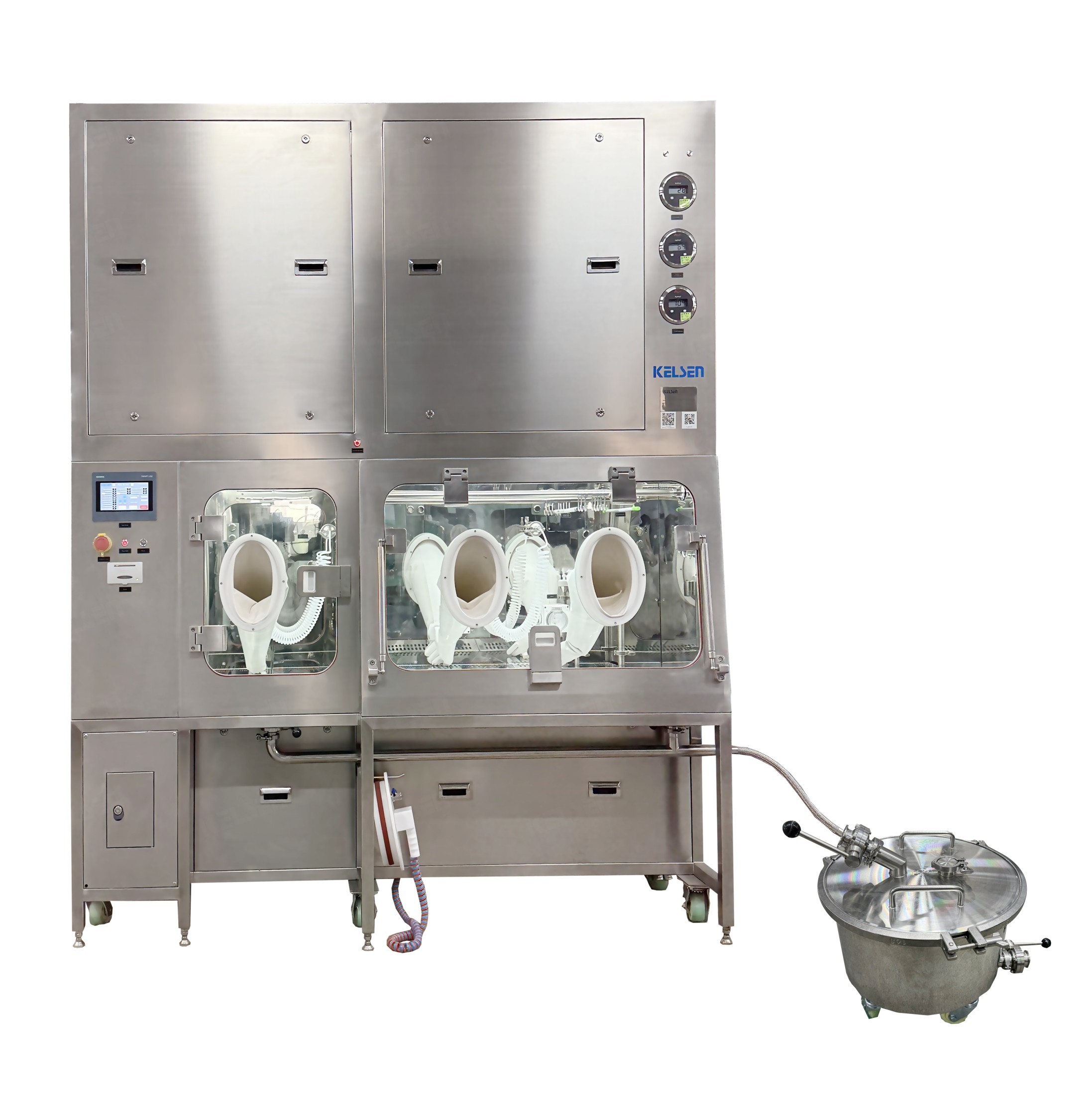
Maintaining a sustainable Grade A enclosed environment represents a fundamental requirement for pharmaceutical sterility operations. Isolator systems achieve this through integrated laminar airflow distribution patterns. The top-down laminar airflow configuration ensures uniform air movement throughout the working chamber, minimizing turbulence and preventing particulate accumulation in critical zones.
Real-time operational monitoring systems continuously track air velocity, differential pressure, and other critical parameters, ensuring full compliance with GMP Grade A standards throughout operations. This constant surveillance provides documented assurance that environmental conditions remain within specification, addressing regulatory requirements while reducing the compliance burden on quality assurance teams.
The integration of positive pressure environment control creates additional protection layers. By maintaining higher pressure inside the isolator relative to surrounding areas, any potential leak points result in outward airflow rather than contamination ingress. This approach fundamentally reverses the contamination risk profile compared to conventional systems.
Operational Features Supporting Pharmaceutical Processes
Beyond basic environmental control, advanced isolators incorporate features that support efficient pharmaceutical operations. Chambers equipped with dustproof and waterproof power sockets enable operation of necessary equipment within the sterile zone without compromising barrier integrity. Integrated high-pressure water guns facilitate cleaning operations, ensuring that sanitation procedures can be performed effectively without environmental exposure.
Optional monitoring accessories provide enhanced quality assurance based on specific process needs. Glove leak detectors offer continuous verification of operator interface integrity, immediately alerting to potential breach points. Online particulate and microbiological sampling systems enable real-time environmental monitoring without interrupting operations, supporting process analytical technology initiatives and continuous verification approaches.
Industry Adaptation and Application Scenarios
Sterility testing isolators find primary application across pharmaceutical manufacturing and healthcare life sciences sectors. In pharmaceutical production facilities, these systems support aseptic manufacturing operations where injectable products, ophthalmic preparations, and other sterile dosage forms require absolute contamination prevention throughout production processes.
Quality control laboratories rely on isolation technology to maintain consistent sterile conditions for high-sensitivity pharmaceutical inspections. Sterility testing procedures, which detect the presence of viable microorganisms in supposedly sterile products, demand environmental conditions that eliminate false positive results while ensuring detection of actual contamination. Isolators provide this level of environmental certainty.
Strategic Considerations for Implementation
Pharmaceutical facilities evaluating sterility testing isolators should consider several strategic factors. On-site installation within pharmaceutical production or laboratory environments requires careful planning regarding utility connections, space allocation, and workflow integration. The physical footprint and utility requirements must align with existing facility capabilities while supporting future expansion possibilities.
Regulatory compliance represents another critical consideration. Systems must not only meet current GMP Grade A cleanliness standards but also provide documentation capabilities that satisfy regulatory inspections. Integrated monitoring systems, automated data logging, and validation support features streamline compliance demonstration and reduce inspection risk.
Long-term operational sustainability depends on maintenance accessibility and after-sales support. Integrated cleaning tools simplify routine sanitation procedures, while optional diagnostic accessories enable proactive maintenance approaches that prevent unexpected downtime. Direct manufacturer relationships ensure access to technical expertise and replacement components throughout the system lifecycle.
Future Perspectives in Pharmaceutical Sterile Processing
As pharmaceutical manufacturing continues evolving toward more sophisticated biologics, personalized medicines, and complex formulations, the demand for reliable sterile processing environments will only intensify. Isolation technology represents the current state-of-the-art approach, providing the contamination prevention, environmental stability, and compliance assurance that modern pharmaceutical production requires.
Facilities investing in advanced sterility testing isolators position themselves to meet both current regulatory requirements and future industry developments. The superior contamination prevention and environmental control these systems deliver translate directly into reduced batch failures, improved product quality, and enhanced patient safety—outcomes that justify the investment in advanced isolation technology.
For pharmaceutical manufacturers and quality control laboratories seeking to elevate their sterile processing capabilities, sterility testing isolators offer a proven solution that addresses fundamental industry challenges while supporting operational efficiency and regulatory compliance in an increasingly demanding pharmaceutical landscape.
https://en.ksncn.com/
Suzhou Kelsen Air Filtration System Co., Ltd. -
AuthorPosts

- You must be logged in to reply to this topic.