- This topic is empty.
-
AuthorPosts
-
30/10/2026 at 18:42 #90669
In high-pressure boiler sootblowing applications, controlling steam pressure is essential for protecting valve components and maintaining efficient deposit removal. Excessive pressure drops across a single throttling point can result in high local velocities, severe erosion, unstable flow regulation, and shortened equipment service life.
A multi-stage pressure reduction boiler sootblowing control valve addresses these challenges by dividing the total pressure drop into several throttling stages. This arrangement helps manage steam velocity, improve control stability, and reduce wear on critical internal components.
Within a boiler sootblowing system, the valve regulates the steam supplied to sootblowers, ensuring that appropriate pressure and flow are available to remove accumulated ash, slag, and other combustion residues from heat-transfer surfaces without placing unnecessary stress on the boiler equipment.
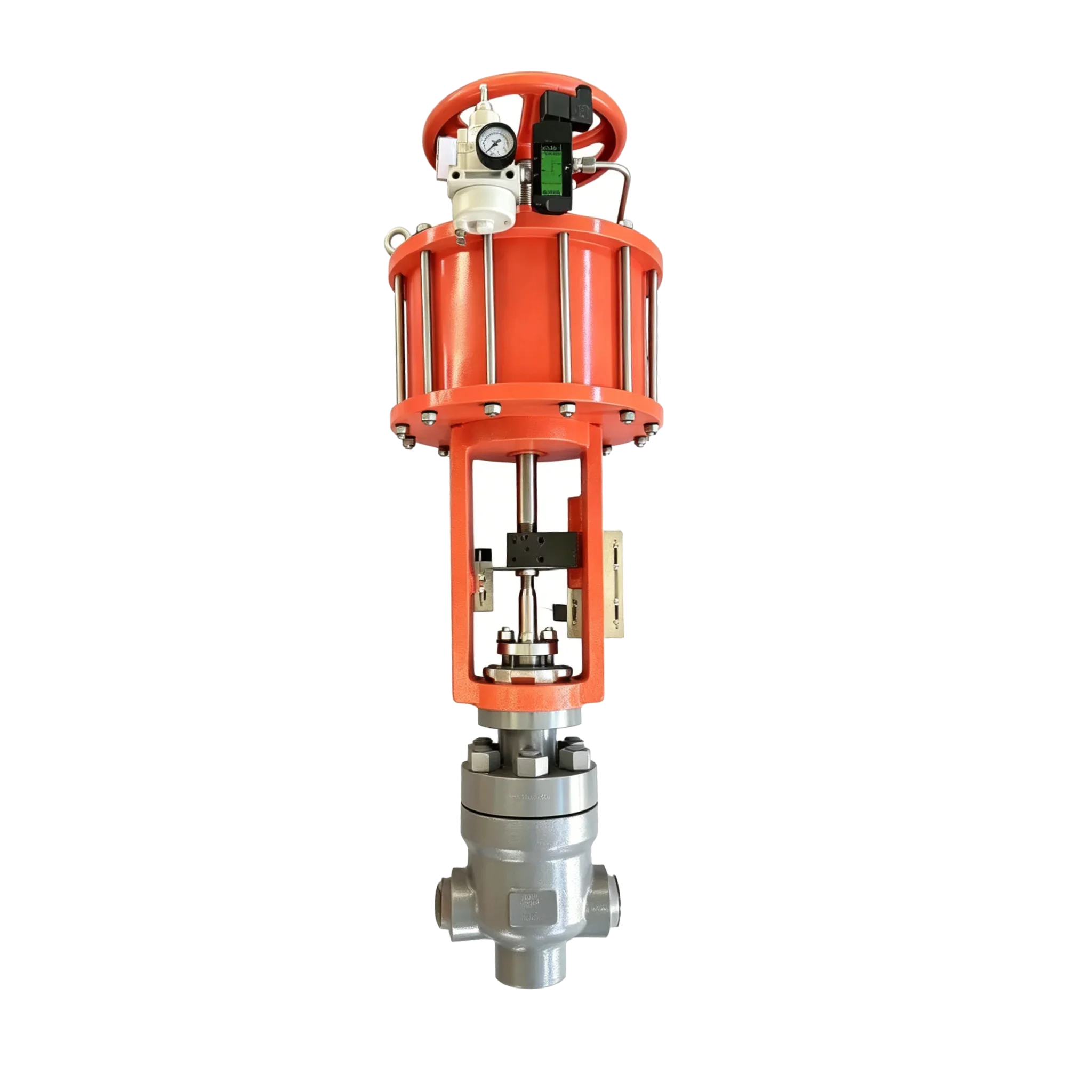
How a Multi-Stage Pressure Reduction Boiler Sootblowing Control Valve Operates
Rather than handling the entire pressure differential through one throttling restriction, a multi-stage pressure reduction boiler sootblowing control valve divides the reduction process into multiple successive stages.
High-pressure steam passes through these internal throttling sections, with its pressure decreasing progressively until the required downstream pressure is achieved. Distributing the pressure drop helps manage local flow velocity and turbulence, reducing the erosive forces acting on the valve seat, plug, and other trim components.
This operating principle makes the valve suitable for sootblowing applications where the available steam pressure is considerably higher than the pressure required by the sootblower.
Through more controlled pressure regulation, the valve helps maintain the steam conditions needed for effective deposit removal while limiting excessive steam consumption and unnecessary mechanical loading on boiler heating surfaces.
Why a Multi-Stage Pressure Reduction Boiler Sootblowing Control Valve Enhances Operating Reliability
In demanding boiler environments, a multi-stage pressure reduction boiler sootblowing control valve must maintain consistent performance despite high steam pressure, elevated temperatures, and repeated operating cycles.
Its reliability depends on several factors, including pressure reduction design, internal wear resistance, shutoff capability, and the ability to withstand frequent throttling and switching operations.
Controlling Steam Erosion to Protect Internal Components
When high-pressure steam passes through a conventional single-stage restriction, concentrated pressure reduction can produce high local velocities and intense flow impact.
A multi-stage pressure reduction boiler sootblowing control valve distributes this pressure differential across multiple throttling sections. This helps moderate local steam velocity and reduce the erosive effects on critical surfaces, including the valve plug and seat.
Compared with single-stage pressure reduction designs, the multi-stage arrangement is better suited to demanding sootblowing conditions involving repeated high-pressure steam cycles. It can help preserve trim integrity and reduce premature component replacement.
Maintaining Tight Shutoff and Limiting Steam Leakage
Sootblowing valves must also provide effective isolation when the cleaning system is not operating. A multi-stage pressure reduction boiler sootblowing control valve therefore requires dependable sealing at both the internal seating surfaces and the stem packing area.
Proper contact between the valve seat and plug helps restrict internal leakage, while suitable stem packing reduces the possibility of steam escaping externally under high-pressure operating conditions.
Reliable sealing minimizes unnecessary steam losses and helps prevent maintenance problems associated with deteriorated packing or damaged seating surfaces.
How to Choose the Right Multi-Stage Pressure Reduction Boiler Sootblowing Control Valve
Choosing a multi-stage pressure reduction boiler sootblowing control valve involves more than matching the valve's nominal diameter and pressure rating to the pipeline.
Engineers need to assess the actual operating conditions, including inlet and outlet pressures, steam temperature, required flow capacity, differential pressure, operating frequency, internal material selection, connection standards, and maintenance arrangements.
Verify Steam Pressure, Temperature, and Flow Requirements
The first step in valve selection is establishing the steam operating parameters. These should include upstream pressure, target downstream pressure, operating temperature, normal flow rate, and maximum flow demand.
The overall pressure differential is particularly significant because it determines the pressure reduction arrangement and influences the required number of throttling stages, trim design, and permissible steam velocity.
If the valve is incorrectly sized, the result may include unstable pressure regulation, accelerated internal erosion, inadequate sootblowing performance, or excessive steam consumption.
Consider Internal Materials, End Connections, and Maintenance
Internal materials for a multi-stage pressure reduction boiler sootblowing control valve should withstand repeated steam throttling and resist wear, surface scratching, and galling.
Relevant design and manufacturing requirements may include ASME B16.34 and NB/T 47044. Inspection and testing can be conducted in accordance with NB/T 47044 and MSS SP-61. For pipeline connections, socket-weld ends may follow ASME B16.11, while butt-weld ends may comply with ASME B16.25.
Maintenance convenience should also be included in the selection process. Designs that allow internal components to be removed and replaced quickly can simplify overhaul procedures, reduce equipment downtime, and help control long-term maintenance expenses.
Delan Multi-Stage Pressure Reduction Boiler Sootblowing Control Valve
Delan provides multi-stage pressure reduction boiler sootblowing control valves developed for demanding high-temperature and high-pressure steam applications. The design focuses on controlling pressure differentials, limiting internal erosion, ensuring dependable shutoff, and simplifying routine maintenance.
Its multi-stage throttling structure distributes the pressure reduction across multiple sections rather than concentrating the entire pressure drop at one location. This helps reduce localized erosion and supports longer service life for critical valve components.
The valve seat and plug are designed to provide reliable sealing performance. Meanwhile, the selected internal materials offer wear resistance, scratch resistance, and anti-galling properties to withstand repeated operating conditions.
For maintenance, major internal components can be removed and replaced efficiently, making inspection and overhaul more convenient. High-quality stem packing also helps control external leakage and reduce the frequency of packing replacement, contributing to lower maintenance requirements throughout the valve's service life.
Conclusion
A multi-stage pressure reduction boiler sootblowing control valve helps manage substantial steam pressure differentials by distributing throttling across multiple stages. This design can reduce concentrated erosion, improve pressure regulation, and support more reliable sootblowing operations.
When selecting a valve for boiler applications, engineers should carefully evaluate steam pressure and temperature, flow requirements, pressure differential, sealing performance, trim material properties, pipeline connections, and maintenance accessibility. Choosing a valve that matches these operating conditions helps maintain dependable sootblowing performance while reducing long-term equipment maintenance demands.
https://www.delan-valve.com/mh-boiler-sootblowing-control-valve.html
-
AuthorPosts

- You must be logged in to reply to this topic.