- This topic is empty.
-
AuthorPosts
-
13/11/2026 at 18:23 #90830
Understanding Male Reproductive Endocrine Dysfunction
Male reproductive endocrine disorders can present through a wide range of clinical signs, including low libido, erectile dysfunction, gynecomastia, reduced muscle mass, fatigue, infertility, and testicular abnormalities. Because these symptoms often overlap with metabolic, adrenal, and pituitary conditions, clinicians require a structured laboratory approach that distinguishes between central (hypothalamic-pituitary) and peripheral (gonadal/adrenal) causes of dysfunction. This is where a multi-tier endocrine pathway assessment becomes clinically valuable, as it evaluates signals originating from brain centers, pituitary regulators, adrenal glands, and gonads in a coordinated manner.
The Role of a Sex Hormones Panel in Male Diagnostics
Poclight’s Sex Hormones clinical knowledge framework organizes a 9-analyte profile designed to support clinical evaluation of reproductive development, fertility, libido, bone health, metabolic balance, and spermatogenesis. While several analytes in this profile are primarily female-focused, a defined subset directly supports assessment of male reproductive endocrine function. These include LH, FSH, Testosterone, Prolactin (PRL), E2 (Estradiol), β-hCG, Cortisol, and Progesterone, each contributing a distinct layer of diagnostic insight.
Pituitary Gonadotropins: LH and FSH
LH (Luteinizing Hormone) and FSH (Follicle-Stimulating Hormone) are pituitary gonadotropin markers that evaluate testicular function. In males, elevated LH is associated with primary testicular failure and Klinefelter syndrome, while decreased LH points toward hypothalamic or pituitary dysfunction, such as Kallmann syndrome. FSH follows a parallel pattern: elevation is linked to primary testicular failure, while decreased FSH is associated with hypothalamic/pituitary disorders and hyperprolactinemia.
The differentiated value of this gonadotropin pairing lies in its ability to support distinction between primary gonadal failure and central hypothalamic/pituitary causes when interpreted alongside sex steroids. A key clinical interpretation note specifies that Klinefelter Syndrome is characterized by FSH/LH elevation (↑↑) combined with decreased testosterone, with karyotype 47,XXY serving as the confirmatory test. For Hypogonadotropic Hypogonadism, both LH and FSH show marked decreases (↓↓), and clinical guidance emphasizes the need to exclude pituitary lesions during workup.
Testosterone as the Core Androgen Marker
Testosterone serves as the primary androgen marker for gonadal and adrenal androgen status in men. Target scenario pain points addressed by testosterone testing include testicular tumors, steroid abuse, hypogonadism, and aging-related androgen decline. Elevated testosterone in males is associated with testicular tumors and steroid abuse, while decreased levels are linked to hypogonadism and aging.
In the context of Klinefelter Syndrome, testosterone shows a marked decrease (↓↓), which—combined with elevated FSH/LH and karyotype confirmation—forms a complete diagnostic picture. Similarly, in Primary Testicular Failure, testosterone is also markedly decreased (↓↓), and the clinical interpretation note recommends confirmation with testicular ultrasound. Testosterone also shows a decrease (↓) in Hypogonadotropic Hypogonadism for both females and males, and a decrease (↓) in males with Hyperprolactinemia, illustrating how pituitary dysfunction can secondarily suppress gonadal androgen production. In Adrenal Insufficiency, testosterone similarly shows a decrease (↓) in males.
Prolactin and Its Impact on Male Fertility
Prolactin (PRL) is positioned as a pituitary lactotroph marker for reproductive and pituitary function. Target scenario pain points include prolactinoma, hypothyroidism, antipsychotic medication use, and pituitary insufficiency. The differentiated value of prolactin testing is its ability to detect prolactin excess, with a clinical interpretation note indicating that Prolactin levels exceeding 250 ng/mL suggest macroprolactinoma.
In the disease/disorder interpretation framework, Hyperprolactinemia corresponds to a marked elevation (↑↑↑) in prolactin itself, while simultaneously producing suppressive effects downstream: LH and FSH both show marked decreases (↓↓), and testosterone decreases (↓) in males. This cascade demonstrates why prolactin testing is essential when evaluating unexplained low libido or infertility in men, since an undetected prolactinoma can silently suppress the entire gonadotropin-testosterone axis.
Estradiol (E2) and Gynecomastia
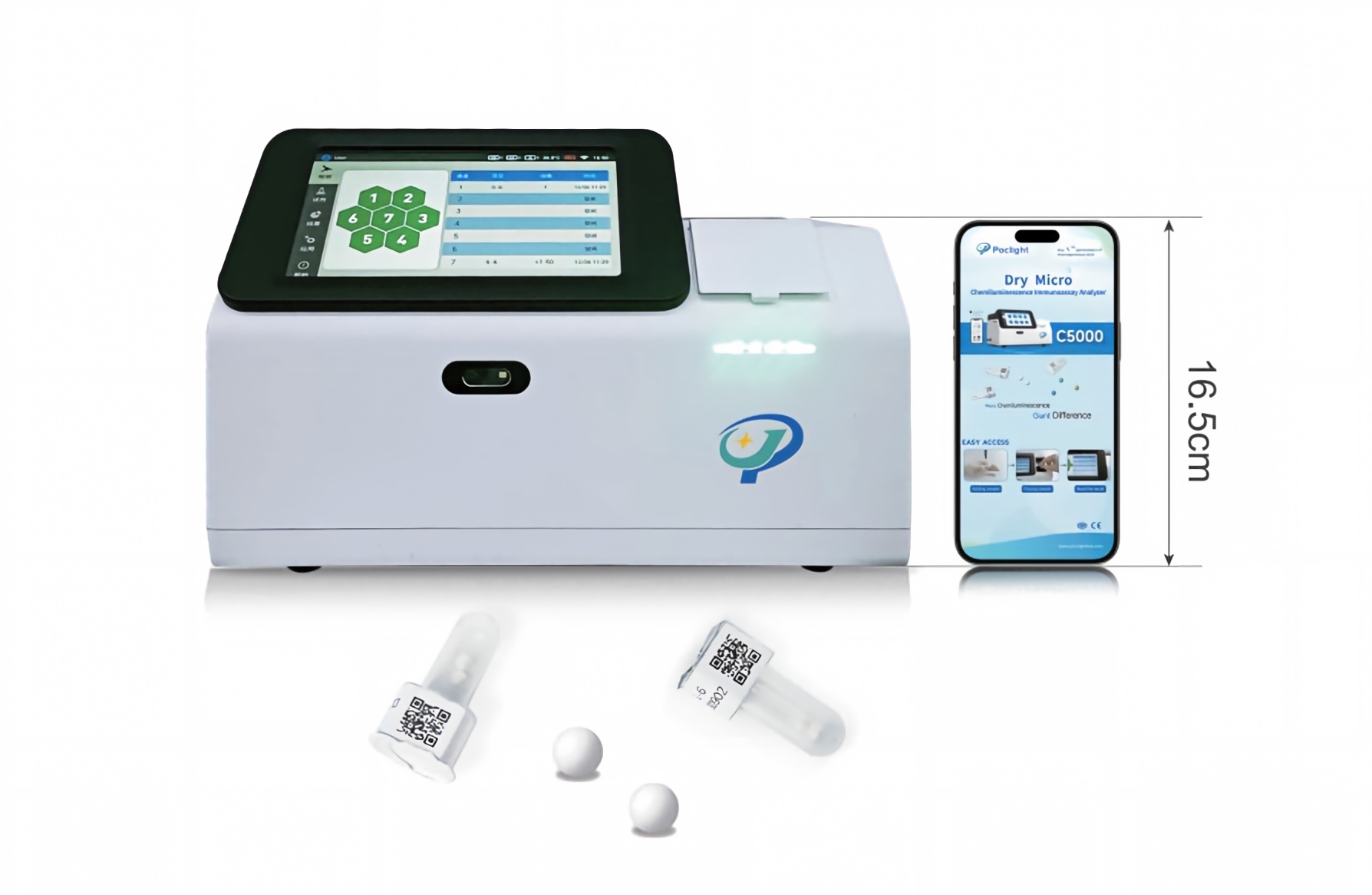
Although often associated with female reproductive assessment, E2 (Estradiol) is also a relevant estrogen marker for testicular function in men. Target scenario pain points include gynecomastia and testicular tumors. Elevated E2 in males is associated with gynecomastia and testicular tumors, while decreased E2 is linked to hypogonadism.
Within the disease/disorder interpretation table, Klinefelter Syndrome shows a marked E2 elevation (↑↑) associated specifically with gynecomastia, while Hyperprolactinemia is associated with decreased E2 in both females and males (↓). These patterns reinforce the clinical value of including E2 in a male-focused hormone panel, particularly when gynecomastia or altered body composition is a presenting concern.
β-hCG for Testicular Germ Cell Tumors
β-hCG (Beta Human Chorionic Gonadotropin) is most widely recognized as a pregnancy marker, but its differentiated value extends to oncology: in males, elevated β-hCG is associated with testicular germ cell tumors. This makes β-hCG a relevant addition to a comprehensive male reproductive endocrine panel, particularly for patients presenting with testicular abnormalities.
Cortisol and Adrenal Contribution
Cortisol functions as the adrenal glucocorticoid marker for stress response and adrenal function. While not exclusively male-focused, cortisol testing contributes to differentiating adrenal causes of symptoms that can mimic or accompany reproductive endocrine dysfunction, such as fatigue and testosterone suppression. In Adrenal Insufficiency, cortisol shows a marked decrease (↓↓), and the clinical interpretation note specifies that an AM cortisol level below 3 μg/dL is diagnostic for Adrenal Insufficiency. This is clinically relevant because Adrenal Insufficiency is also associated with decreased testosterone in males, meaning cortisol testing can help clarify whether androgen deficiency originates from adrenal rather than purely gonadal pathology.
Progesterone’s Limited but Notable Male Relevance
Progesterone is primarily a luteal function marker, but its relevance to men appears through adrenal enzyme deficiencies. Elevation of progesterone in males is associated with adrenal enzyme deficiencies, and within Congenital Adrenal Hyperplasia, the interpretation table notes an elevation in 17-OH Progesterone specifically, with a clinical interpretation note stating that 17-OH Progesterone levels above 10 ng/mL are diagnostic for Congenital Adrenal Hyperplasia.
AMH: A Largely Female-Focused Marker
For completeness, AMH (Anti-Müllerian Hormone) is included in the broader 9-analyte profile but carries limited diagnostic significance in males beyond infancy, where it is used to evaluate infant intersex disorders. In Primary Testicular Failure among adults, AMH interpretation remains unchanged (↔), and the clinical interpretation note explicitly states that AMH is not routinely measured in males beyond infancy.
A Coordinated Approach to Male Endocrine Evaluation
Taken together, this set of markers—LH, FSH, Testosterone, Prolactin, E2, β-hCG, Cortisol, and Progesterone—reflects the multi-tier endocrine pathway assessment approach embedded in Poclight’s Sex Hormones clinical knowledge graph. By evaluating signals across brain centers, pituitary regulators, adrenal glands, and gonads simultaneously, clinicians gain the ability to separate central and peripheral causes of male reproductive endocrine dysfunction rather than relying on a single isolated test result.
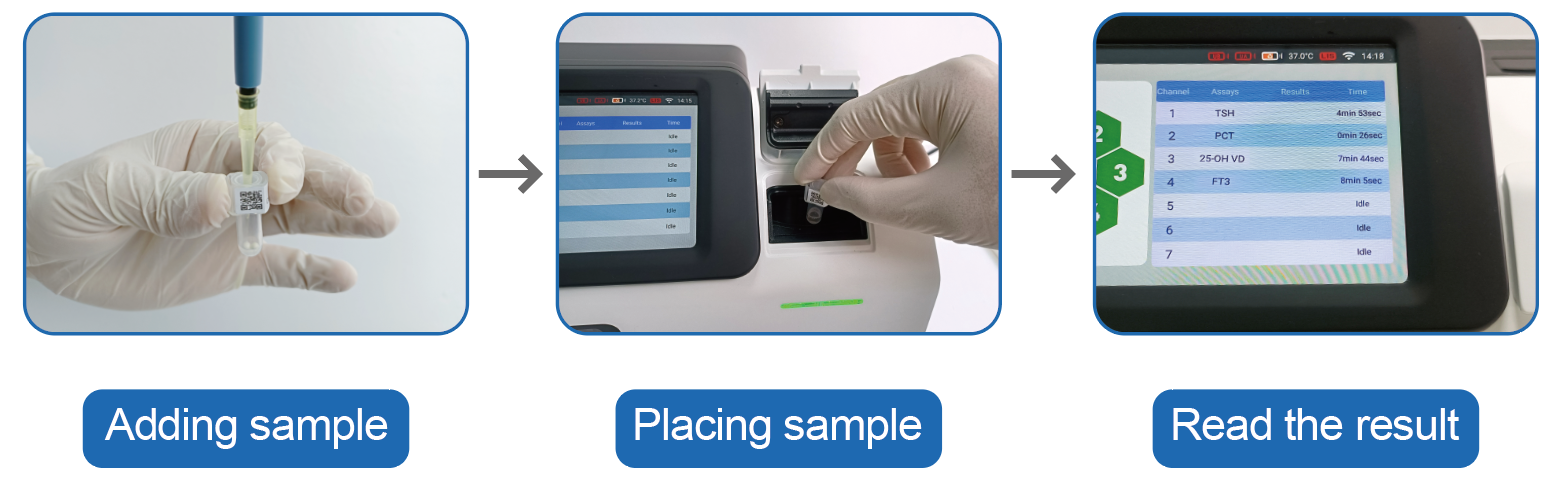
This structured, multi-analyte methodology aligns with established reference literature cited within the framework, including work on testosterone therapy in hypogonadism, hyperprolactinemia diagnosis and treatment, and adrenal insufficiency diagnosis. For clinical laboratories and endocrinology practices evaluating male patients with suspected reproductive endocrine disorders, this coordinated panel structure—covering gonadotropins, androgens, pituitary lactotroph signals, estrogen status, adrenal function, and oncologic markers—offers a clinically grounded pathway for differential diagnosis, always interpreted in accordance with local laboratory standards and guidelines.
http://www.poclight.com
Nanjing Poclight Biotechnology Co., Ltd -
AuthorPosts

- You must be logged in to reply to this topic.