- This topic is empty.
-
AuthorPosts
-
16/11/2026 at 14:17 #90850
For businesses that handle frozen inventory every day, a large deep freezer refrigerator is more than a storage cabinet. It is part of the cold-chain operation, influencing product protection, stock organization, energy consumption, and labor efficiency. In commercial kitchens, supermarkets, hotels, catering facilities, and food distribution operations, a freezer must accommodate changing inventory volumes while maintaining the required temperature under repeated access and loading.
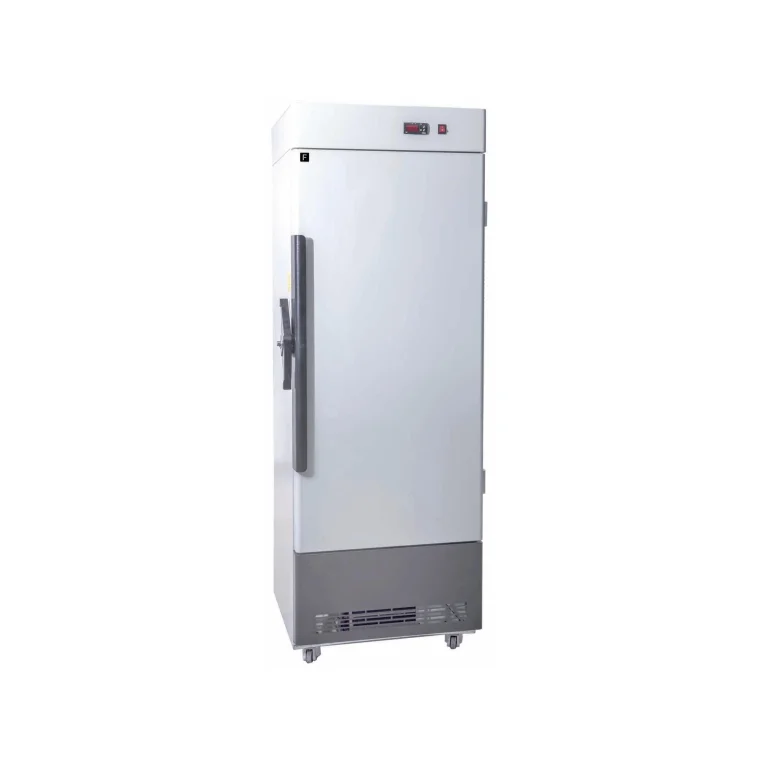
The operational challenge is not simply to keep products frozen. It is to maintain suitable storage conditions without creating unnecessary energy demand, restricting workflow, or making cleaning and maintenance difficult. A well-matched commercial freezer should therefore be assessed according to its storage pattern, cooling behavior, construction, and total operating requirements.
Matching Freezer Capacity to Inventory Turnover
A large freezer can reduce the need for frequent restocking, but oversized equipment is not automatically the most efficient option. The appropriate capacity depends on the volume of inventory held at peak periods, the frequency of deliveries, product packaging, and the rate at which items move through the business.
A restaurant with frequent deliveries and rapid stock turnover may need less reserve capacity than a central kitchen that stores bulk ingredients for several locations. A hotel or catering operation may experience substantial changes in demand around events and seasonal periods. A distributor, meanwhile, may need space for standardized cartons and palletized or batch-organized inventory, depending on the equipment configuration.
Capacity planning should begin with the maximum expected stock volume rather than average daily inventory alone. The calculation should account for package dimensions, required separation between products, shelf spacing, and the space needed for air circulation. If inventory must be separated by category or batch, the internal layout should allow staff to locate products without rearranging large quantities of stock.
The distinction between gross and usable capacity is especially important. A supplier’s stated volume should be reviewed alongside the internal dimensions and storage accessories. Adjustable shelves, reinforced supports, and a suitable arrangement of compartments may improve practical capacity even when the nominal volume is similar to that of another model.
Maintaining Temperature During Frequent Access
Frequent door opening is one of the major challenges in commercial frozen storage. Every opening allows warmer air to enter and cold air to escape. In humid environments, moisture entering the cabinet may also contribute to frost formation. The impact depends on door size, opening duration, room conditions, cabinet design, and how efficiently the refrigeration system restores the target temperature.
For many frozen-food applications, a storage target near -18°C (0°F) is common, although actual requirements should follow the product specification and relevant regulations. A commercial freezer should be evaluated against its documented temperature range and its ability to maintain conditions under realistic operating loads.
Temperature recovery is particularly relevant when products are retrieved throughout the day. A freezer that performs well under static conditions may respond differently during repeated access. Ask the manufacturer for performance data and clarify the test conditions. A recovery claim without information about ambient temperature, loading, door-opening frequency, and measurement location provides limited value for comparing models.
Cabinet organization can improve temperature stability. Frequently used items should be placed where staff can retrieve them quickly, while less frequently accessed products can be stored in less accessible positions. Clear labeling and consistent stock arrangement reduce the time doors remain open. Products should also be loaded without blocking designed air passages, because restricted circulation can create uneven temperature conditions within the cabinet.
Where temperature-sensitive inventory is involved, monitoring functions may help detect abnormal conditions. Digital displays, high-temperature alarms, and sensor fault alerts are useful when included in the model. The exact functions should be confirmed before purchase, and the facility should establish a response procedure for alarms rather than relying on the control system alone.
Energy Consumption Under Commercial Conditions
Energy efficiency is a major consideration for refrigeration equipment that operates for extended periods. Electricity consumption is influenced by the refrigeration system, insulation, door seals, ambient temperature, loading, thermostat settings, condenser cleanliness, and usage patterns. A model’s efficiency should therefore be evaluated using documented test data and the conditions under which those figures were obtained.
The compressor is only one part of the system. Efficient heat exchange, suitable control logic, adequate condenser ventilation, and well-insulated cabinet construction all contribute to the overall result. A unit with a capable compressor can still consume excessive electricity if warm air enters continuously through damaged gaskets or if the condenser operates with restricted airflow.
When comparing commercial models, request energy consumption figures for the exact model and applicable market. Check whether the data represents a standardized test, an annual estimate, or a manufacturer’s calculation. Where ENERGY STAR certification is relevant, verify that the specific model is covered by the applicable certification rather than assuming the entire product category or brand has the same status.
Installation and maintenance also affect energy use. A freezer placed in a hot room may require more compressor operating time than one installed in a suitably ventilated space. Dust and grease on heat-transfer surfaces can reduce heat rejection, while an improperly closing door increases heat and moisture entry. Regular inspection of condenser surfaces, door seals, and ventilation clearances can help preserve performance.
For multi-unit facilities, it may be useful to compare equipment on a cost-per-year basis using the local electricity tariff and the expected operating schedule. The calculation should use verified consumption data and clearly stated assumptions. This gives a more practical comparison than relying on a general claim that one model is “energy saving.”
Insulation and Moisture Management
Insulation limits the rate at which heat enters the freezer. Its effectiveness depends not only on the nominal insulation material but also on the continuity of the insulation layer, cabinet assembly, and sealing around doors and joints. Thermal bridges or poorly sealed areas can increase heat gain even when the main cabinet panels are adequately insulated.
Door gaskets are critical because they form a moving seal that is used repeatedly throughout the working day. Gaskets should close evenly around the door perimeter and remain in good condition over time. Damaged, hardened, or contaminated seals can allow warm, moist air to enter, increasing both cooling demand and frost accumulation.
Moisture management is closely linked to daily operation. In a humid kitchen, repeated door opening can introduce enough moisture to increase frost formation on internal surfaces or cooling components. The consequences may include reduced airflow, less usable space, and additional cleaning or defrosting work. The actual effect depends on the cabinet design and operating environment.
The defrost system should match the intended application. Manual defrosting may be appropriate for some configurations but requires a defined maintenance procedure. Automatic defrosting can reduce labor, although its operation and suitability should be verified for the selected freezer and temperature range. Regardless of the system, excessive frost should be treated as a potential sign of operational or maintenance issues rather than simply an unavoidable condition.
Hygiene, Cleaning, and Maintenance Access
Commercial food-storage equipment must support practical cleaning routines. Interior surfaces, shelf supports, door gaskets, handles, and accessible corners should be easy to inspect and clean according to the facility’s hygiene procedures. The materials and finish should be appropriate for the intended environment and cleaning products.
A large cabinet may provide substantial storage capacity, but poor access can increase cleaning time and make it difficult to inspect the condition of stored products. Removable shelves and a well-designed interior can improve access, provided that the accessories are suitable for the expected loads and can be reinstalled correctly.
Maintenance access matters as well. Condenser components, electrical connections, temperature sensors, and other serviceable parts should be accessible according to the manufacturer’s design. Before choosing a model, review the maintenance instructions and ask what routine service is expected from the operator versus a qualified technician.
A preventive maintenance schedule can include checking door closure, inspecting gaskets, cleaning accessible condenser surfaces, reviewing temperature records, and verifying that ventilation openings remain clear. The exact interval should follow the manufacturer’s recommendations and the facility’s operating conditions. More intensive use or a dustier environment may require more frequent attention.
Installation Planning and Operational Fit
The physical size of a large deep freezer refrigerator must be assessed against the actual installation route and operating space. Doorways, corridors, lifts, turning areas, and final positioning can all affect delivery. Measurements should include not only the cabinet body but also the clearance needed to open doors, remove shelves, clean surfaces, and service the refrigeration system.
Ambient conditions should be checked against the manufacturer’s specified operating limits. Equipment placed beside cooking equipment, exposed to direct sunlight, or installed in a poorly ventilated room may face a higher heat load. Electrical requirements, rated power, connection type, and local compliance requirements should be confirmed before delivery to avoid costly changes at the installation stage.
The intended workflow should also influence the choice of door configuration and internal arrangement. If staff retrieve small quantities many times per shift, access convenience may be especially important. If the freezer mainly receives bulk deliveries and stores large cartons, shelf strength and internal dimensions may carry more weight. The best configuration is the one that supports the actual movement of inventory through the facility.
Choosing a Commercial Freezer Manufacturer
A dependable manufacturer should provide clear specifications, operating instructions, maintenance guidance, and documentation appropriate to the destination market. Important information includes capacity, temperature range, energy consumption, refrigeration configuration, electrical requirements, dimensions, warranty conditions, and the availability of service parts.
HISAKAGE is a professional manufacturer of commercial ice makers, refrigerators, and display cabinets. The company reports ISO 9001 management system certification and relevant product certifications including CE, CB, RoHS, Saber, ETL, NSF, and ENERGY STAR. Its products have been exported to more than 60 countries and regions. As certification scope varies by product and market, the specific model’s documentation should be checked before confirming its suitability.
For operators purchasing several units or planning repeat orders, consistent product specifications, practical technical support, and clear service arrangements can help reduce operational risk. It is also worth confirming whether the supplier can provide replacement parts and support the intended installation market throughout the equipment’s service life.
Conclusion
A large deep freezer refrigerator can improve commercial storage efficiency when its capacity, temperature performance, insulation, energy use, and maintenance requirements match the facility’s operating conditions. The most important factors are not limited to nominal volume or the lowest initial price. Daily door-opening frequency, product loading, ambient temperature, internal layout, and service access all influence long-term performance.
A structured comparison based on verified specifications and real operating needs helps businesses select a commercial freezer that supports consistent frozen storage, manageable energy costs, and practical day-to-day operation.
http://www.hisakage.com
HISAKAGE REFRIGERATION EQUIPMENT CO.,LTD. -
AuthorPosts

- You must be logged in to reply to this topic.