- This topic is empty.
-
AuthorPosts
-
27/11/2026 at 15:08 #91051
A retail storefront serves two essential purposes: presenting the products and shopping environment inside the store, while capturing the attention of potential customers outside. Traditional advertising methods, such as printed posters, illuminated signboards, and conventional LED screens, can deliver promotional messages. However, they may also block the view of merchandise, limit natural daylight, and make glass storefronts look crowded.
A transparent LED display provides retailers with another way to communicate with customers. By displaying digital content directly across glass surfaces while allowing people to see through the screen, this technology combines advertising with product presentation. It is becoming an attractive option for fashion retailers, shopping centers, car showrooms, electronics stores, luxury boutiques, and other commercial environments where storefront appearance matters.
But what makes a transparent LED display different from a conventional screen, and how does it produce images without completely blocking the view behind it?
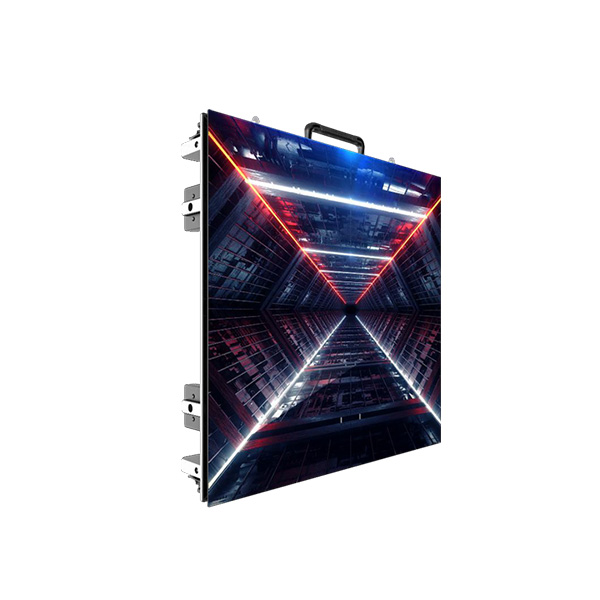
What Is a Transparent LED Display?
A transparent LED display is a digital display system engineered to maintain visibility through its screen surface. Unlike traditional LED video walls, which generally use closely arranged LED pixels and relatively solid supporting structures, transparent displays feature an open design.
LED components are mounted on slim strips, bars, mesh panels, or specially designed transparent structures. The spaces between these components allow natural light to pass through while preserving a view of the surrounding environment.
When the display is operating, its LED pixels generate colorful graphics, promotional messages, animations, and videos. Areas without illuminated pixels allow the background to remain visible, creating a layered visual effect.
The actual transparency level depends on factors such as pixel pitch, LED density, module construction, and overall product design. Manufacturers need to balance image quality and brightness with the amount of open space available.
For retailers, this creates an important opportunity: turning a glass window into a digital marketing platform without making it look like a completely enclosed advertising wall.
How Does a Transparent LED Display Work?
The fundamental imaging technology behind a transparent LED display is similar to that of a standard LED screen. Both rely on individual light-emitting diodes to reproduce visual content. The main difference lies in how the LEDs and supporting components are arranged.
Traditional LED displays generally use a dense pixel configuration across the screen. Transparent models, by comparison, incorporate carefully positioned LED strips or modules with spaces between them. This construction reduces the amount of material covering the display area and allows light to travel through.
The operating process can be divided into four main stages.
1. Digital Content Is Transmitted to the Display
The process begins with the preparation of digital materials, which may include advertising videos, product photographs, promotional text, brand graphics, and animated effects.
These materials are transmitted to an LED controller or media playback system. The controller processes the incoming signals and converts them into instructions that determine which pixels should light up, what colors they should display, and how bright they should be.
This allows the display to reproduce different advertising messages and visual effects according to the retailer's marketing requirements.
2. RGB LEDs Generate Images and Videos
Transparent LED displays typically use red, green, and blue (RGB) LED components to reproduce colors.
By adjusting the brightness of these three color channels, individual pixels can generate a wide range of colors. Coordinated pixel operation then produces images, text, animations, and full-motion video.
Unlike a conventional display that depends on a relatively continuous screen surface, a transparent LED screen forms images through its illuminated components. The gaps between pixels remain open, allowing viewers to see objects and spaces behind the display.
3. The Open Pixel Arrangement Preserves Visibility
Transparency is the defining feature of this display technology.
Instead of covering the entire viewing area with densely packed LED components, transparent displays use a spaced arrangement that leaves physical openings between modules or LED bars.
These openings allow daylight to enter the building and enable pedestrians to see products, mannequins, vehicles, interior decorations, and other objects behind the screen.
As a result, digital advertising can appear as though it is suspended in front of the storefront rather than replacing the entire glass surface with an opaque screen.
4. Brightness and Visual Content Shape the Display Effect
The final viewing experience depends on more than the display's physical construction. Brightness settings, content design, and surrounding lighting conditions also have a significant influence.
For example, high-contrast promotional graphics and bright product images can help advertisements stand out against the background. Meanwhile, darker or less visually intensive areas can preserve more of the see-through appearance.
Outdoor-facing storefronts require particular attention to brightness. A display that performs well under controlled indoor lighting may become difficult to view when exposed to strong daylight or direct sunlight.
Before installation, retailers should evaluate ambient light levels, window direction, glass characteristics, viewing distance, and the position of the display to achieve an appropriate balance between visibility and transparency.
Why Are Transparent LED Displays Suitable for Retail Storefronts?
One of the biggest benefits of transparent LED technology is that it combines digital promotion with traditional visual merchandising.
Consider a fashion retailer with a large glass frontage. A conventional LED video wall could display an attractive advertising campaign, but it might also hide mannequins, clothing displays, and the interior design that encourages shoppers to enter.
A transparent LED display offers a more flexible alternative. Promotional videos can appear across the glass while potential customers still have a view of the products and shopping environment inside.
This combination provides several advantages for commercial spaces.
Preserve the Visibility of Products Inside the Store
Product presentation plays an important role in attracting retail customers. Transparent LED displays help businesses maintain this connection between the storefront and the interior.
People walking past can watch digital advertisements while simultaneously noticing featured merchandise, new collections, display models, or decorative arrangements behind the screen.
This is especially valuable for businesses where the appearance of physical products is an important part of the purchasing experience.
Simplify Advertising Updates and Campaign Management
Traditional printed advertising requires businesses to design, print, transport, install, and replace promotional materials whenever a campaign changes.
With a digital display, retailers can update advertising content through the connected control system without repeatedly producing physical posters.
Different messages can be scheduled for seasonal promotions, product launches, special events, holiday campaigns, and everyday marketing activities.
For stores that frequently adjust their promotional strategies, this flexibility can make storefront advertising easier to manage.
Transform Glass Windows into Digital Advertising Areas
Large glass windows are valuable commercial assets, but they are often used only for displaying products or allowing natural light into the store.
Installing a transparent LED display introduces an additional function without completely sacrificing these benefits.
The glass frontage becomes an interactive visual communication area that can present brand messages, promotional campaigns, and product information while maintaining the architectural openness of the space.
This makes transparent LED technology suitable not only for individual shops but also for shopping malls, exhibition areas, and other commercial properties that want to maintain a modern, open appearance.
Important Factors to Consider Before Installing a Transparent LED Display
Selecting the right display requires more than comparing technical specifications. Retailers should first understand the characteristics of their storefront and the intended advertising application.
1. Evaluate the Storefront Dimensions
Start by measuring the available glass area and identifying the installation boundaries.
Measurements should account for window height and width, door openings, supporting frames, structural elements, and any other obstacles that could affect screen placement.
A customized display configuration based on the actual storefront dimensions generally provides a cleaner result than trying to adapt the building to a standard screen size.
2. Select an Appropriate Pixel Pitch
Pixel pitch refers to the distance between the centers of adjacent LED pixels. It is an important factor influencing image resolution and viewing quality.
For storefronts where most pedestrians view the screen from several meters away, an extremely fine pixel pitch may not be necessary. However, applications requiring close-range viewing may benefit from a higher pixel density.
Retailers should also understand the relationship between pixel density and transparency. A denser LED arrangement can improve image detail, but it may reduce the open area through which people can see.
Therefore, the ideal pixel pitch should be determined by considering both the expected viewing distance and the desired transparency level.
3. Match Screen Brightness to Daylight Conditions
Brightness is particularly important for transparent displays installed on exterior-facing windows.
The screen must produce sufficiently visible images under the lighting conditions of the storefront. However, the required brightness can vary considerably depending on window orientation, direct sunlight exposure, surrounding buildings, glass properties, and installation position.
A storefront facing strong afternoon sunlight may have different requirements from one located in a shaded shopping arcade.
Evaluating the actual environment before purchasing helps retailers avoid choosing a display that performs well indoors but delivers disappointing results in its intended location.
4. Consider Mounting, Wiring, and Maintenance
Transparent LED displays can be installed using different mounting arrangements, including hanging systems, supporting frames, and other customized structures.
The appropriate method depends on the storefront design, display dimensions, building conditions, and maintenance requirements.
Retailers should also plan the positions of power supplies, controllers, cables, and other supporting equipment before installation begins.
Since storefront displays are part of the overall retail environment, installation components should be arranged neatly to avoid creating unnecessary visual obstructions. Convenient maintenance access is equally important for long-term operation.
What Content Works Best on a Transparent LED Storefront?
A high-quality display is only one element of an effective digital storefront. The advertising content must also be designed around the unique characteristics of transparent LED technology.
For retail applications, simple and visually distinctive materials often work better than complicated layouts containing excessive information.
Large product images, short promotional messages, animated brand logos, seasonal graphics, and eye-catching videos can help capture attention from pedestrians at a distance.
Another important consideration is how much of the display area should be illuminated. Filling every pixel with bright graphics may reduce the visual relationship between the digital content and the physical environment behind it.
Leaving some areas visually open can create a more balanced presentation.
For instance, a footwear retailer could display an animated close-up of a new shoe collection while keeping the actual shoes visible inside the store. An automobile showroom could present brand campaigns and vehicle animations across its glass frontage without completely concealing the cars on display.
The objective is to make digital advertising and physical merchandising work together, rather than allowing one to dominate the other.
How ChengVision Supports Transparent LED Display Projects
Guangdong Chengxing Electronics Co., Ltd., known internationally as ChengVision, is headquartered in Guangzhou, China. As a national high-tech enterprise, the company specializes in the research, development, manufacturing, and sales of LED display technologies.
Its product range covers a variety of commercial and professional display applications, including indoor and outdoor advertising screens, rental LED displays, football stadium displays, poster screens, transparent LED displays, taxi-top displays, floor LED displays, and creative irregular-shaped LED solutions.
For retail businesses, choosing a transparent LED display involves more than identifying suitable screen hardware. Factors such as content presentation, installation structures, control systems, brightness requirements, pixel pitch, and integration with the existing commercial environment all contribute to the success of a project.
With experience across different LED display applications, ChengVision provides products and technology solutions for retailers, project contractors, advertising companies, and commercial space operators.
Businesses interested in exploring available configurations can visit the LED display products page to learn more about its display solutions and identify products suitable for their application requirements.
In addition to retail advertising, ChengVision provides display technology and supporting services for exhibitions, advertising media, cultural tourism, and commercial environments. The company emphasizes quality as an important social responsibility and continues to pursue improvements in technology, management, and operational innovation.
Is a Transparent LED Display the Right Choice for Your Storefront?
A transparent LED display is more than another type of digital advertising screen. Its main advantage is its ability to address a common storefront challenge: presenting dynamic promotional content without completely blocking the view through glass windows.
For businesses with large storefront windows, attractive interior displays, frequently changing advertising campaigns, and a need to engage pedestrians, this technology offers a practical way to combine digital communication with physical product presentation.
However, selecting the right solution requires careful consideration of several factors, including window dimensions, viewing distance, ambient lighting, transparency requirements, advertising content, mounting arrangements, and future maintenance.
By evaluating these requirements together, retailers can create a digital storefront that attracts attention while preserving the openness and visibility of the retail space.
Ultimately, the appeal of transparent LED technology lies in its ability to bring advertising and the physical shopping environment together, transforming ordinary glass windows into flexible and visually engaging marketing spaces.
http://www.chengvista.com
Guangdong Chengxing Electronics Co., Ltd. -
AuthorPosts

- You must be logged in to reply to this topic.