- This topic is empty.
-
AuthorPosts
-
24/08/2026 at 20:43 #89905
Anhui Eapearl Chemical | AES Sodium Alcohol Ether Sulfate (SLES) Surfactant Series
I. Standard Chemical Dossier of Product
1. Basic Identification Information
Standard Chinese Name: Ethoxylated Alkyl Sodium Sulfate
Common Abbreviation: AES, Industry Alias:
SLES INCI Name: Sodium Laureth Sulfate
CAS No.: 9004-82-4
General Molecular Formula: RO(CH2CH2O)nSO3Na
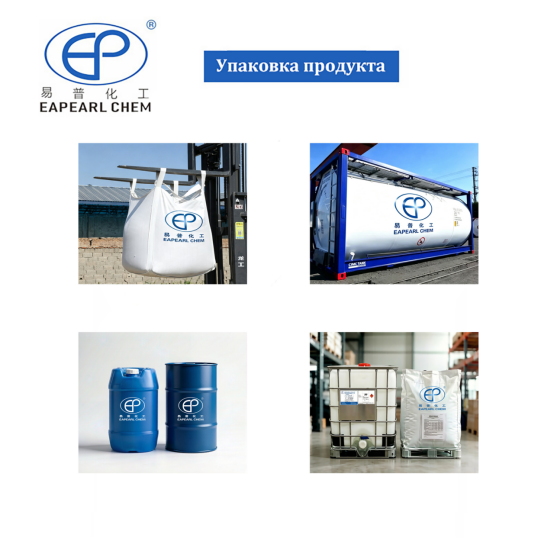
R: Linear alkyl group of C12~C15; mainstream daily chemical grades adopt EO addition number n=2, 3 Applicable National Standard: GB/T 13529-2022 Ethoxylated Alkyl Sodium Sulfate Standard Commercial Specification: 70% active matter aqueous solution (viscous gel) at 25℃ Appearance: Uniform white to pale yellow viscous paste, free of delamination, free oil and peculiar odor Standard Packaging: 160~170kg plastic-lined drums; 1000L IBC tote tanks
2. National Standard & Eapearl Internal Control Physicochemical Test Indicators
(Test Conditions: 25℃, RH 50%)
Test Item
Limit of GB/T 13529-2022 National Standard
Premium Daily-Grade Internal Control Standard of Anhui Eapearl
Test Specification Description
Mass Fraction of Active Matter
70.0±2.0 %
69.5~71.0 %
Titration Method
Unsulfated Matter
≤1.4 %
≤1.2 %
Neutral Oil Extraction Method
Inorganic Salt (Sodium Sulfate)
6.5~11.0 %
7.0~9.5 %
Gravimetric Method
Klett Color of 5% Aqueous Solution
≤30
≤20
420nm Spectrophotometry
1,4-Dioxane Content
No mandatory national standard; daily chemical control limit ≤40ppm
≤30ppm
Gas Chromatography (GC), by-product regulated by EU CosIng
pH Value of 1% Aqueous Solution
7.5~10.5
8.0~9.2
Potentiometric Titration
Foam Height (0.5% active matter, 500ppm hard water)
≥120mm
≥150mm
Ross-Miles Foam Tester at 25℃
28-Day Biodegradability (OECD 301B)
≥90%
≥94%
CO₂ Evolution Test Method
II. Molecular Structure, Interfacial Performance & Differentiated Mechanism
AES is an ethoxy-modified anionic surfactant with a three-segment molecular structure: hydrophobic alkyl chain + hydrophilic polyoxyethylene (EO) block + terminal sodium sulfate group. The triple structure endows diversified interfacial functions:
1.Detergency & Emulsification Mechanism: Dissociated anionic sulfonate groups carry negative charges, drastically reducing static and dynamic surface tension of aqueous systems. Hydrophobic alkyl chains penetrate into grease to form oil-in-water micelles that encapsulate particulate and oily contaminants.
2.Hard Water Resistance & Chelation Principle: EO segments in molecules feature ether oxygen coordination structures that form water-soluble complexes with Ca²⁺ and Mg²⁺ in water, preventing calcium salt precipitation and tolerating hard water up to 500mg/L (calculated as CaCO₃).
3.Low-Irritation Core Mechanism: Compared with K12 and Linear Alkylbenzene Sulfonate (LAS), the EO hydration layer wraps polar sulfonate groups, weakening electrostatic bonding between surfactants and skin keratin proteins and lowering risks of protein denaturation, resulting in a markedly lower Draize rabbit skin irritation score.
4.Foaming Advantages: It forms compact micro-micelles with fine, long-lasting foam; residual surfactant after rinsing is less than 0.1%, leaving no dry or tight sensation on skin.
Performance Comparison & Compounding Synergy Mechanism between AES and LABSA
Performance Index
70% AES (SLES)
96% LABSA (Neutralized LAS)
Chemical Logic of Compounding Synergy
Skin Irritation
Low, suitable for washing & care products
Relatively high, only recommended for industrial cleaning
The EO hydration layer of AES buffers keratin degreasing irritation from LAS and reduces overall irritation of finished products
Hard Water Tolerance Limit
500ppm CaCO₃
Prone to alkyl calcium soap precipitation below 150ppm
EO ether bonds chelate Ca²⁺ in water, inhibiting LAS calcium salt precipitation and avoiding whitening during washing
Foam Characteristic
Fine, creamy and long-stable
Large foam volume with rapid liquid drainage and collapse upon standing
Mixed micelle structure balances total foam volume and liquid film toughness to extend foam durability
28-Day OECD Biodegradability
≥94%
≥90%
Both components meet domestic and international wastewater discharge environmental limits
Core Compounding Mechanism: Mixed AES/LAS systems feature a significantly decreased Critical Micelle Concentration (CMC). Under equal addition ratios, dirt removal efficiency rises by 12%~18%, while balancing cost, hard water resistance and mildness, forming a classic binary compounding system widely used in civil detergents.
III. Standardized Application Scenarios & Formulation Dosage Specifications
3.1 Personal Care Systems (Core Mild Raw Material for Daily Chemicals)
Compliant with QB/T 2573 cosmetic raw material specifications, with separate dosage ranges for transparent and pearlescent systems:
1.Shampoo & body wash (transparent formula): 4%~7%; compound with cocamidopropyl betaine for foam stabilization
2.Infant & sensitive skin cleansing products: 3%~5%; compound with nonionic APG to reduce overall irritation
3.Foam hand sanitizer & disposable hotel toiletries: 5%~8%, no delamination under ambient storage
3.2 Household Cleaning Products (Classic AES+LAS Compounding)
1.Dishwashing & fruit/vegetable cleaners: 5%~6% AES + 4%~5% neutralized LAS, low food-grade residue
2.Concentrated laundry liquid & intimate apparel detergent: 6%~9%, improving detergency under cold water
3.Kitchen & bathroom foam cleaners, compatible with high-hardness underground water
3.3 Supporting Industrial Cleaning Applications
1.Degreaser for metal hardware electroplating pretreatment: AES compounded with LAS and solvents to strip stamping oil and antirust oil
2.Scouring agent for textile pretreatment to remove weaving sizing agents and equipment grease
3.Circulating cleaner for food processing equipment, low residue and easy rinsing
3.4 Agrochemical Emulsifying Auxiliaries
Compound with LAS for pesticide emulsifiable concentrates and suspension concentrates to stabilize oil-water two phases and inhibit delamination during storage.
Key Standard Production Process Points
1.LABSA Neutralization Procedure: Use liquid caustic soda / triethanolamine to neutralize LABSA into LAS sodium salt. The reaction releases heat; cool the system below 45℃ before adding AES. Long-term retention above 60℃ will trigger ether bond hydrolysis, causing foam attenuation and delamination defects.
2.Stable pH range: 4~10. Irreversible hydrolysis of sulfate ester bonds occurs under strongly acidic conditions (pH<3), leading to finished product failure.
3.Sodium chloride only delivers thickening effects in anion-dominant systems; its thickening capacity drops sharply in formulations with high proportions of nonionic surfactants.
IV. AES (SLES) Product Supply System of Anhui Eapearl Chemical
1.One-stop supply of dual raw materials: Simultaneously provide 70% AES and 96% LABSA, two major anionic surfactants, eliminating the need for multiple suppliers for daily chemical formulations. Both flagship surfactants were exhibited at the 2026 IES Industry Exhibition.
2.Two product grades:
① Low-dioxane daily chemical grade: 1,4-dioxane ≤30ppm, compliant with EU CosIng and domestic cosmetic raw material regulations, specially supplied for maternal & infant and export washing & care products;
② General industrial grade: Cost-effective, suitable for industrial degreasing and agrochemical emulsification.
3.National warehouse layout: Standardized chemical warehouses in Nanjing, Shanghai, Hefei and Zibo enable same-day allocation in East China, with stable spot stock for full-truck and LTL shipments. Overseas business covers nearly 200 countries across Southeast Asia, North America, Europe, the Middle East and Oceania.
4.Full set of export compliance documents: Chinese-English bilingual COA test reports and 16-section GHS MSDS are issued for each batch. Products complete REACH pre-registration, accompanied by OECD biodegradability test reports to satisfy import audits such as SIRIM and BCA for overseas coatings and daily chemicals.
5.Exclusive formulation technical support: Professional engineers provide AES/LAS compounding schemes, hard water system adjustment and mild washing & care system optimization to resolve common formulation defects including delamination, yellow discoloration, insufficient foam and slippery rinsing residue.
6.Flexible delivery options: Drums, IBC tote tanks and bulk tank truck shipments for large orders, with permanent spot inventory maintained year-round.
V. Storage, Operation & Hazardous Waste Compliance Specifications
1.This product is a weakly alkaline organic surfactant with corrosive effects on light metals such as aluminum and zinc; aluminum containers are prohibited for storage and transportation.
2.Operation Protection: Wear nitrile rubber gloves and safety goggles throughout handling to avoid prolonged skin and eye contact.
3.Warehouse Conditions: Seal and store in cool warehouses at 15~35℃, protected from frost and direct sunlight; long-term high-temperature storage will deepen product color.
4.Classification of Waste Liquid: Categorized as HW09 oil-water separation industrial hazardous waste. Direct discharge into municipal sewage pipelines is forbidden; disposal must be entrusted to qualified institutions.
VI. Conclusion
AES (SLES) is a core mild anionic foaming raw material for washing & care and household detergent sectors. Compounding with LABSA achieves balanced performance in detergency, foam stability, hard water resistance and cost control. Anhui Eapearl Chemical supplies a full range of anionic surfactants including AES and LABSA, divided into low-dioxane daily chemical grade and general industrial grade. We provide complete testing documents, export compliance certificates and professional daily chemical formulation technical support, fully meeting procurement demands of domestic daily chemical factories and overseas foreign trade purchasers.
Corporate Profile
Anhui Eapearl Chemical Co., Ltd. Shanghai Eapearl Industrial Co., Ltd. Overseas Subsidiary: PT Indonesia Eapearl Chemical
Website: epchems.com Contact: +86-18656201888 (Whatsapp / Wechat) E-Mail: sales@epchems.com
Addresses
Anhui Headquarters No.518, Tongguanshu Valley, Tongguan District, Tongling City, Anhui Province, P.R.China
Shanghai Warehouse & Office No.918 Zhenchen Road, Baoshan Urban Industrial Park, Baoshan District, Shanghai, P.R.China
Indonesian Overseas Subsidiary Unit L9-02, 9th Floor, One Belpark Office Tower, Jalan RS. Fatmawati No.1, Pondok Labu, Cilandak, South Jakarta Administrative City, Republic of Indonesia
http://www.epchems.com
安徽易普化工有限公司 -
AuthorPosts

- You must be logged in to reply to this topic.