- This topic is empty.
-
AuthorPosts
-
15/10/2026 at 11:06 #90434
Carpets in offices, hotels, conference centers, and educational facilities face constant wear from daily foot traffic. Dust, sand, food crumbs, and other debris gradually accumulate between carpet fibers. If these particles are not removed regularly, they can affect the appearance of the flooring and contribute to premature wear.
For facility managers and professional cleaning teams, routine maintenance is therefore more than a cosmetic task. The right heavy-duty commercial carpet vacuum can help remove embedded dirt, maintain a cleaner indoor environment, and reduce the long-term costs associated with carpet replacement.
However, not every commercial vacuum is designed for the same cleaning conditions. Understanding performance, filtration, usability, and maintenance requirements can help businesses select equipment that meets their operational needs.
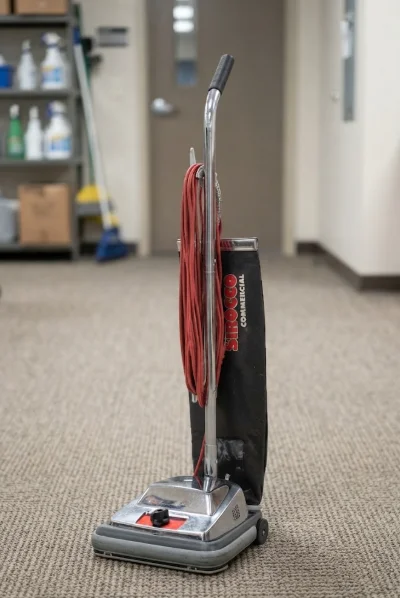
What Makes a Commercial Carpet Vacuum Effective?
A vacuum's cleaning performance depends on several factors working together. Motor power is only one part of the equation; airflow, suction, brush design, and filtration also influence how effectively dirt is collected.
1. Suction and Airflow for Embedded Dirt
Carpet fibers can trap fine dust and grit that ordinary surface cleaning may leave behind. A suitable commercial vacuum needs enough airflow and suction to collect this debris without making routine cleaning unnecessarily slow.
When comparing a commercial wide-area carpet vacuum, buyers should consider the carpet type, pile depth, cleaning width, and expected debris volume. Dense carpets may require a different brush configuration from low-pile commercial flooring.
Rather than comparing motor wattage alone, review the manufacturer's performance specifications and, where possible, test the machine on the actual carpet surfaces. This helps determine whether it can deliver the required cleaning results under everyday conditions.
2. Filtration and Indoor Air Quality
Removing dirt from a carpet is only part of the process. The vacuum must also retain the collected particles rather than releasing excessive dust back into the surrounding air.
A multi-stage filtration system can help capture fine particles and maintain consistent airflow. For facilities with specific air-quality requirements, a HEPA-filtered vacuum may be appropriate. Buyers should verify the exact filtration specification and whether the complete machine is designed to meet the needs of the intended application.
Filter maintenance is equally important. Clogged filters can restrict airflow and reduce cleaning performance, so operators should follow the manufacturer's instructions for inspection, cleaning, and replacement.
3. Durability and Operator Comfort
Commercial cleaning equipment may operate for several hours each day, often across large areas and multiple shifts. A suitable machine should withstand frequent use while remaining manageable for cleaning staff.
When evaluating a professional upright carpet vacuum cleaner, consider its weight, handle design, maneuverability, cord length, and access to routine maintenance components. Brush rolls, hoses, wheels, and other frequently used parts should be practical to inspect and service.
Ergonomic features can also make a difference during long shifts. Equipment that is difficult to push, turn, or carry may slow cleaning operations and increase operator fatigue.
Selecting Equipment for Different Commercial Environments
The most appropriate vacuum depends on how a facility is used, how much carpet it contains, and when cleaning can take place.
Corporate Offices and Conference Centers
Offices often require regular carpet maintenance without disrupting employees or meetings. Low-noise equipment can be useful when cleaning takes place during working hours or in occupied buildings.
For large open-plan offices, a wider cleaning path may reduce the number of passes required. Smaller or more maneuverable machines may be better suited to meeting rooms, desk areas, and spaces with closely arranged furniture.
Hotels and Hospitality Facilities
Hotels must maintain consistent cleaning standards while working within tight room-turnaround schedules. Guest rooms, corridors, and reception areas may all have different cleaning requirements.
A commercial vacuum with suitable edge-cleaning performance, practical attachments, and an appropriately sized dust bag can help housekeeping teams complete tasks efficiently. Weight and maneuverability are especially important when staff need to move between rooms or clean around furniture.
Educational and Healthcare Facilities
Schools, universities, and healthcare-related environments experience frequent foot traffic and a steady accumulation of dust and debris. Cleaning plans should reflect the level of use, floor materials, and any applicable hygiene or indoor-air-quality requirements.
For these facilities, buyers should assess filtration, ease of maintenance, and the machine's suitability for the specific flooring. Where infection-control or specialized contamination requirements apply, the vacuum should be selected in accordance with the relevant facility procedures rather than relying on general commercial specifications alone.
How Sirocco Fits into Commercial Floor Care
Selecting cleaning equipment involves more than finding a machine with strong suction. Buyers also need to consider product availability, practical features, maintenance requirements, and whether the equipment suits their daily workflow.
Sirocco supplies commercial cleaning equipment, including vacuum cleaners designed for professional environments. Its product range provides options for businesses comparing equipment for different cleaning tasks and facility layouts.
When considering a Sirocco commercial vacuum, facility managers should review the specifications of the particular model, including its intended floor types, cleaning width, filtration system, accessories, and maintenance requirements. These details help establish whether the equipment is suitable for the site's actual cleaning workload.
A well-matched vacuum can support consistent carpet maintenance and help cleaning teams use their time and resources more effectively.
Frequently Asked Questions
How often should commercial carpets be vacuumed?
High-traffic areas such as entrances, lobbies, and corridors often benefit from daily vacuuming. Areas with less foot traffic may require cleaning less frequently. The appropriate schedule depends on occupancy, the amount of dirt tracked indoors, carpet type, and the facility's cleanliness standards.
Is a dual-motor commercial vacuum always better?
Not necessarily. In some designs, separate motors power the suction system and brush roll, allowing each to perform its intended function. However, the number of motors alone does not determine cleaning effectiveness. Airflow, suction performance, brush design, filtration, and suitability for the carpet should all be considered.
What should I check if a vacuum suddenly loses suction?
Start by checking whether the dust bag or collection container is full. Next, inspect the hose, nozzle, and air passages for blockages. Check the filters for accumulated dust and examine the brush roll for tangled fibers or debris. Follow the manufacturer's maintenance instructions, and disconnect the machine from power before inspecting components that could move during operation.
Conclusion
Maintaining commercial carpets requires equipment that matches the facility's cleaning demands. Suction and airflow, filtration, brush performance, maneuverability, and maintenance access all influence how effectively a vacuum performs over time.
By evaluating these factors before purchasing a heavy-duty commercial carpet vacuum, facility managers can make better-informed decisions, support cleaning staff, and protect their flooring investment. Exploring suitable options from suppliers such as Sirocco is a practical starting point for identifying equipment that fits the needs of professional carpet care.
http://www.siroccovac.com
Sirocco Products Ltd. -
AuthorPosts

- You must be logged in to reply to this topic.