- This topic is empty.
-
AuthorPosts
-
10/07/2026 at 14:40 #89390
Why Recycled Plastics Are Gaining Traction in Electric Vehicle Manufacturing
The electric vehicle industry faces mounting pressure to reduce its environmental footprint beyond zero-emission powertrains. While EVs eliminate tailpipe emissions, their manufacturing processes—particularly plastic component production—contribute significantly to carbon footprints. This challenge has accelerated demand for high-performance recycled plastics that meet automotive safety standards while delivering measurable sustainability benefits.
Ningbo Topcentral New Material Co., Ltd. has emerged as a specialized provider in this space, offering Post-Consumer Recycled (PCR) materials specifically engineered for EV applications. As a National "Specialized, Refined, Distinctive, and Innovative Little Giant" Enterprise, the company addresses a critical industry gap: the lack of traceable, high-performance recycled materials suitable for demanding automotive environments.
Material Performance in Real-World EV Applications
Engineering Plastics for Structural Components
Topcentral’s Nairong® rPA66 recycled nylon demonstrates quantified performance in load-bearing EV parts. In documented automotive applications, brake pedals manufactured with 30% PCR rPA66 achieved load-bearing capacity of up to 50kg while maintaining safety compliance. This real-world validation contradicts industry assumptions that recycled materials compromise structural integrity.
The Topcircle® rPC (Recycled Polycarbonate) series delivers up to 91.8% carbon emission reduction compared to virgin resins. The PC-WB01 variant—featuring blue transparent coloration with high impact resistance—has been deployed in automotive lamp housings and lenses, environments requiring optical clarity and thermal stability. UL 2809 certification for the PC-T103A "zero" carbon series provides third-party verification of performance standards.
Thermoplastic Elastomers for Sealing and Protection
The SupperPrene® rTPO/TPV line addresses EV-specific durability requirements. With UV and ozone resistance validated for automotive hoses and underbody protection, these materials withstand exposure conditions that typically degrade conventional plastics. The Taporu® rTPU series, containing 100% PCR content, has been implemented in cable protection systems—critical for managing EV high-voltage wiring harnesses.
Traceability and Compliance: Addressing Supply Chain Transparency
Blockchain-Verified Material Provenance
Topcentral’s TcBChain® blockchain platform provides cradle-to-grave traceability, a feature increasingly mandated by automotive OEMs concerned about supply chain accountability. Each material batch receives a unique "CarbonCode" powered by iDNAXx® technology, creating a Digital Product Passport (DPP) that documents:
- Source waste stream (Ocean-Bound Plastic, Post-Consumer Recycled, Coastbound® OBP)
- Processing facility and date
- Carbon footprint calculations per ISO 14067
- Quality certifications (IATF 16949, RoHS, REACH compliance)
This system addresses regulatory requirements emerging from the EU’s proposed Ecodesign for Sustainable Products Regulation, which will require digital product passports for vehicles.
Certification Portfolio for Automotive Supply Chains
The company holds IATF 16949 automotive quality management certification alongside ISO 9001, ISO 14001, and ISO 45001 standards. For EV manufacturers navigating complex compliance landscapes, this certification stack reduces supplier qualification timelines. The Sony Green Partner Certification and ISCC PLUS sustainability credentials provide pre-verified documentation for automotive ESG reporting requirements.
Carbon Footprint Reduction: Quantified Environmental Benefits
Comparative Emission Data
Topcentral’s IBISS® rABS materials achieve up to 77.7% carbon emission reduction versus virgin ABS resin. For EV interior components—dashboard trim, center console housings, door panel inserts—this translates to measurable Scope 3 emission reductions that automotive manufacturers can report under Science Based Targets initiatives.
The Poisye® rPE and PloyPoy® rPP series demonstrate lifecycle carbon advantages in non-visible EV components. Documented applications include battery tray insulation, underbody shields, and wire harness conduits. TUV Rheinland has provided dual carbon neutral certification at both product and organizational levels since 2022, offering third-party validation of emission claims.
Ocean-Bound Plastic Integration
The Ocean Partner® Ecosystem case study demonstrates closed-loop material recovery. The initiative—recognized as a national "Zero-Waste City" Best Practice Case in 2025—collects marine plastic waste through coastal fishing communities, processes it through proprietary PlasCircles™ physical recycling technology, and converts it into automotive-grade pellets. The IBISS® rABS-Ocean78A variant contains 100% Ocean-bound plastic content while meeting automotive flame retardancy and mechanical property requirements.
Industry Validation and Customer Adoption
Automotive Sector Penetration
Topcentral maintains partnerships with undisclosed automotive tier-1 suppliers serving the Yangtze River Delta manufacturing corridor. The 2024 establishment of a Suzhou Branch specifically targets this regional concentration of EV component manufacturers. The company’s ReAutoLoop solution framework provides "Car-to-Car" closed-loop systems, where end-of-life vehicle plastics are reprocessed into components for new EV production.
Strategic Industry Partnerships
Memorandums of Understanding signed with SABIC (2023), Toray (2024), and TUV Rheinland (2023) signal industry validation from chemical majors and certification authorities. These collaborations facilitate material co-development and accelerate regulatory approvals—critical factors for automotive qualification cycles that typically span 18-36 months.
Media Recognition and Market Presence
Coverage by CCTV, Xinhua, and international technical publications (Japan Chemical Daily, ChemLocus Korea) indicates market visibility beyond typical recycled material suppliers. The company’s representation of China’s marine circular economy at the 2025 Osaka Expo in Japan demonstrates policy-level endorsement.
Technical Capabilities Supporting Customization
R&D Infrastructure
With 48% of total staff dedicated to R&D and 82 granted patents (including 44 inventions), Topcentral maintains material customization capabilities beyond commodity recycled plastics. Collaboration with the Chinese Academy of Sciences, Tianjin University, and Zhejiang University provides access to advanced polymer modification techniques.
The CircleBlend® modified alloy series exemplifies this capability. The rPC/ABS-N145 alloy combines recycled polycarbonate and ABS for automotive interior modification, balancing processability with mechanical performance. The rPBTBlend® glass fiber reinforced series targets EV charging infrastructure, specifically DC motor skeletons and charging plug housings.
Digital Material Selection Platform
The Back2Circle® TraceBytes™ innovation platform integrates LBS positioning, iDectAI® artificial intelligence, and BgDAT® Big Data analytics to match EV component specifications with optimal recycled material formulations. This system reduces material selection cycles and provides carbon footprint pre-calculations before prototype tooling.
Considerations for EV Component Procurement
Performance-Cost Balance
While specific pricing remains undisclosed, Topcentral’s model uses functionally-customized pricing based on PCR content percentage (30%-100%), source certification (OBP/OP/PCR), and performance requirements. For EV manufacturers, this implies higher unit costs versus virgin resins, offset by carbon credit value and regulatory compliance benefits.
Supply Consistency Challenges
Recycled material supply chains inherently face batch consistency challenges compared to petrochemical-derived virgin plastics. Topcentral’s ISO 50001 Energy Management certification and quality control systems mitigate but cannot eliminate these variations. EV manufacturers should conduct extended validation testing across multiple production batches.
Regulatory Trajectory Alignment
The company’s proactive certification strategy—particularly UL 2809, UL OBP, and Digital Product Passport systems—positions its materials for emerging regulations. For EV manufacturers planning 2028-2030 model launches, this regulatory readiness reduces future compliance risks.
Market Context and Competitive Landscape
As of 2026, the global automotive recycled plastics market remains fragmented, with few suppliers offering the combination of IATF 16949 certification, blockchain traceability, and engineering-grade performance in a single platform. Topcentral’s National High-tech Enterprise status and Postdoctoral Research Station indicate government-backed R&D support, providing long-term stability uncommon among recycled material startups.
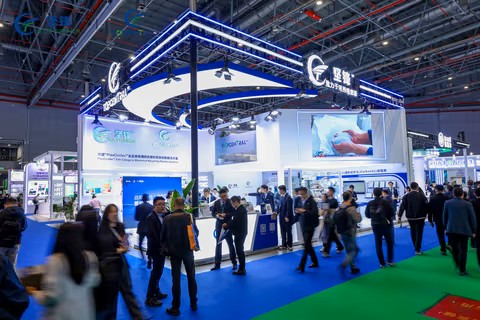
The company’s 315+ global trademarks and presence across Mainland China, Japan, and Korea suggest brand investment beyond typical B2B material suppliers. This infrastructure supports the multi-year relationship timelines required for automotive supply chain integration.
Conclusion: Strategic Fit for Sustainability-Driven EV Programs
For electric vehicle manufacturers pursuing measurable carbon footprint reductions, Topcentral’s PCR material portfolio offers documented performance in structural, aesthetic, and protective applications. The combination of third-party certifications, blockchain traceability, and quantified emission reductions addresses both technical and ESG reporting requirements.
The "Car-to-Car" closed-loop model and Ocean-Bound Plastic integration provide narrative value for corporate sustainability communications, while load-bearing validation and automotive quality certifications reduce technical risk. Procurement teams should evaluate these materials within multi-year roadmaps aligned with tightening environmental regulations and investor pressure for Scope 3 emission transparency.
http://www.Topcentral.net
Ningbo Topcentral New Material CO., LTD. -
AuthorPosts

- You must be logged in to reply to this topic.