- This topic is empty.
-
AuthorPosts
-
18/05/2026 at 16:47 #88889
Selecting the right mini UHF connector is not a simple catalog decision. It requires aligning electrical performance, mechanical design, environmental conditions, and system integration requirements. In many industrial applications, connector failure is not caused by extreme conditions but by subtle mismatches between connector design and application demands.
A structured selection approach ensures that the connector delivers stable performance throughout its lifecycle.
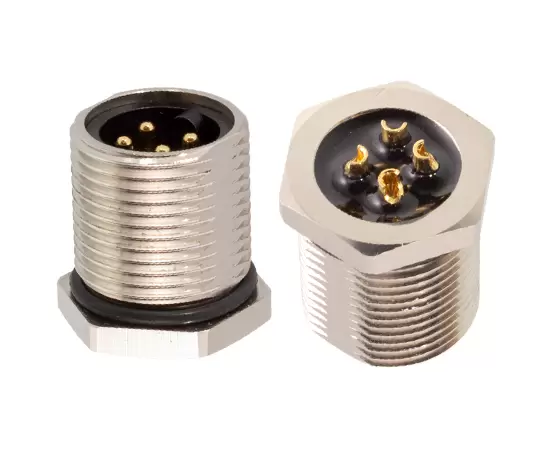
Defining system requirements before connector selection
The first step is understanding the operating environment and system constraints.
Key parameters include:
-
Operating frequency range
-
Power handling requirements
-
Mechanical stress conditions
-
Environmental exposure (temperature, humidity, dust)
For example, a communication system operating below 500 MHz has very different requirements compared to a system approaching 2 GHz.
Frequency and signal requirements
Mini UHF connectors are best suited for:
-
Low to mid-frequency RF systems
-
Applications where impedance matching is less critical
If the system requires:
-
High-frequency stability
-
Low return loss
-
Precise impedance control
alternative connectors such as SMA or N-type should be considered.
Cable compatibility and impedance matching
Connector performance depends heavily on cable selection.
Key considerations:
-
Cable impedance (typically 50 ohms)
-
Cable diameter compatibility
-
Shielding effectiveness
Improper cable matching leads to:
-
Signal reflection
-
Increased insertion loss
-
Reduced system efficiency
CAZN Electronic provides connector designs compatible with standard industrial RF cables to ensure stable integration.
Mechanical requirements and durability
Mechanical performance is often the deciding factor in industrial environments.
Vibration and shock resistance
Mini UHF connectors are well-suited for:
-
Mobile equipment
-
Transportation systems
-
Industrial machinery
The threaded design ensures:
-
Stable connection under vibration
-
Reduced risk of signal interruption
Mating cycle requirements
For applications requiring frequent connection and disconnection:
-
Higher plating quality is required
-
Contact materials must resist wear
Selecting connectors with higher mating cycle ratings improves long-term reliability.
Environmental considerations
Environmental conditions significantly affect connector lifespan.
Temperature
Ensure materials can withstand operating range:
-
Standard: -40°C to +85°C
-
Extended: up to +125°C with specialized materials
Corrosion and humidity
In outdoor or marine environments:
-
Nickel or corrosion-resistant plating is essential
-
Additional sealing may be required
Cost vs performance trade-offs
Mini UHF connectors are often selected for cost efficiency, but cost should be evaluated in context.
Lower-cost connectors may result in:
-
Higher failure rates
-
Increased maintenance
-
System downtime
Higher-quality connectors offer:
-
Stable electrical performance
-
Longer service life
-
Lower total cost of ownership
Integration with industrial systems
Modern systems require connectors that integrate seamlessly with:
-
Modular RF systems
-
Industrial communication networks
-
Smart manufacturing platforms
Consistency in connector design simplifies maintenance and system upgrades.
Quality assurance and supplier capability
Selecting a reliable manufacturer is critical.
Key factors include:
-
Compliance with IEC, UL, and GB/T standards
-
Precision manufacturing capabilities
-
Consistent quality control processes
CAZN Electronic ensures adherence to international standards while maintaining high manufacturing precision.
Future trends in RF connector design
Although mini UHF connectors are a mature technology, improvements continue in:
-
Advanced plating technologies for reduced contact resistance
-
Improved dielectric materials for better thermal stability
-
Enhanced manufacturing precision for tighter tolerances
These developments extend the applicability of mini UHF connectors in evolving industrial systems.
Conclusion: selecting mini UHF connectors with application precision
Choosing the right mini UHF connector requires a clear understanding of system requirements, environmental conditions, and performance expectations.
By aligning connector specifications with real-world operating conditions—rather than relying on generic selection criteria—manufacturers can ensure stable RF performance, reduced maintenance, and long-term reliability.
With its expertise in industrial connectivity and adherence to international standards, CAZN Electronic provides mini UHF connector solutions designed to meet the demands of modern industrial and transportation systems, where reliability and consistency are essential.
https://www.cazn.com/
Shenzhen CAZN Electronic Co., Ltd. -
-
AuthorPosts

- You must be logged in to reply to this topic.