- This topic is empty.
-
AuthorPosts
-
30/03/2026 at 14:05 #88547
As residential solar energy adoption continues to grow worldwide, homeowners are increasingly comparing different solar brands to find the best balance between cost, efficiency, durability, and long-term return on investment. Among the many global manufacturers, JA Solar Panels have become one of the most frequently discussed options.
But the key question remains: Are JA Solar Panels suitable for residential homes?
The short answer is yes—JA Solar panels are widely considered a strong and reliable choice for residential rooftop systems. However, understanding why they are suitable requires a deeper look into their performance, technology, advantages, and limitations in real home applications.This article provides a comprehensive analysis to help homeowners make an informed decision.
1. Overview of JA Solar Panels
JA Solar is one of the world’s leading solar photovoltaic manufacturers, known for producing high-quality solar modules used in residential, commercial, and utility-scale projects. The company has built a strong global reputation due to its consistent investment in research and development, advanced manufacturing processes, and large-scale production capabilities.
For residential users, JA Solar offers a variety of panel types, including:
-
Monocrystalline PERC panels
-
N-type TOPCon panels
-
High-efficiency half-cell modules
-
Bifacial solar panels (less common for residential rooftops but available)
These product lines are designed to meet different energy needs, making JA Solar a flexible option for homeowners with varying budgets and roof conditions.
2. Efficiency and Performance in Residential Settings
One of the most important factors for homeowners is solar panel efficiency, as residential roof space is often limited.
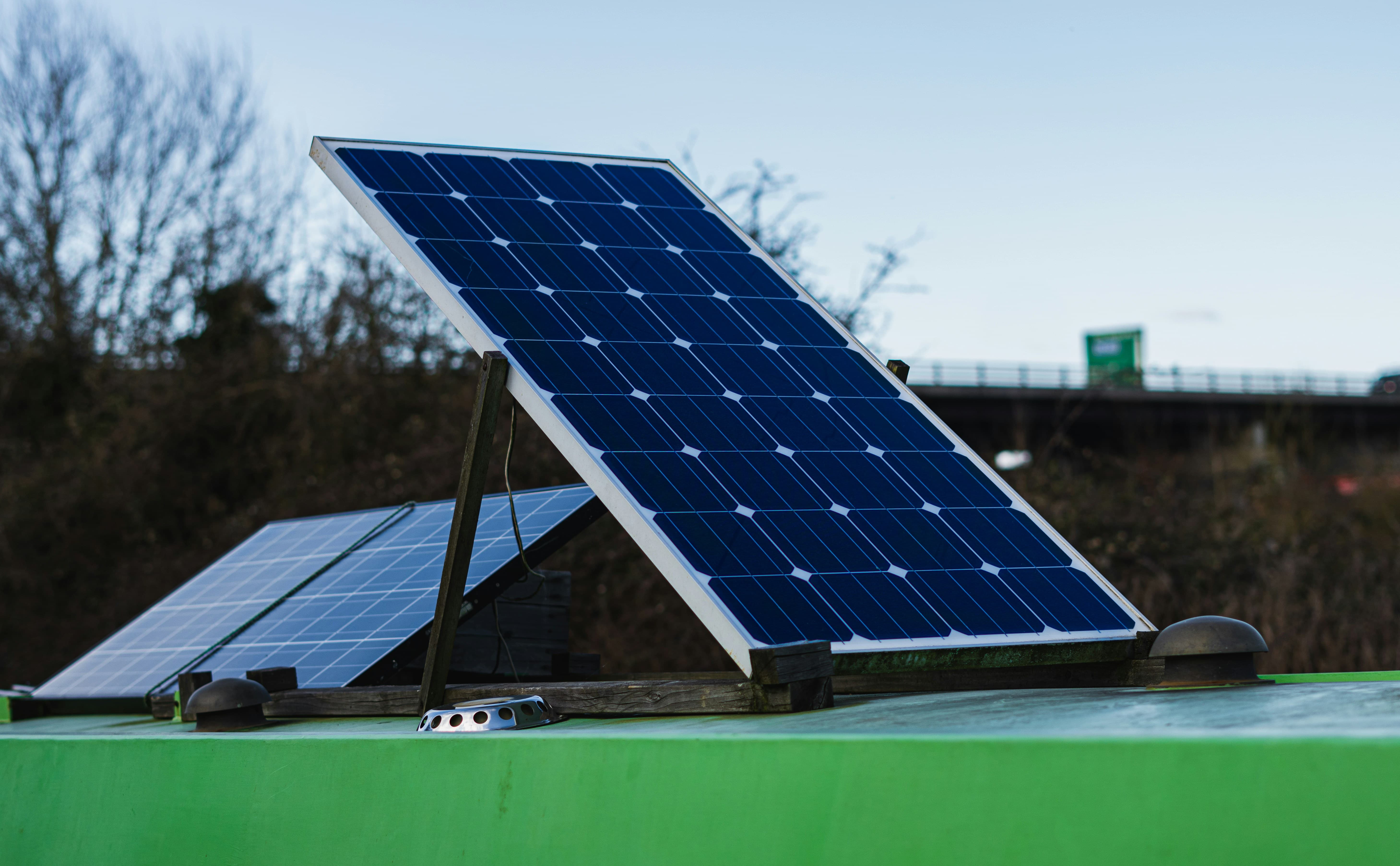
JA Solar panels typically offer efficiency ratings ranging from 20% to 23%, depending on the model and technology used. This level of efficiency places them among the top-tier solar brands in the global market.
Why this matters for homes:
-
Higher efficiency = more electricity generated per square meter
-
Fewer panels needed to meet household energy demand
-
Better performance on smaller rooftops
-
Faster return on investment (ROI)
In real-world residential conditions, JA Solar panels perform reliably under:
-
Direct sunlight
-
Partial shading (with optimizers or microinverters)
-
High temperature environments
-
Seasonal variations in sunlight intensity
While no solar panel performs at peak efficiency all the time, JA Solar modules are designed to maintain stable output even when conditions are not ideal.
3. Durability and Lifespan
For homeowners, solar panels are a long-term investment, often expected to last 20–30 years. JA Solar panels are built with durability in mind and are tested under strict international standards.
Key durability features include:
-
Tempered glass for impact resistance
-
Corrosion-resistant aluminum frames
-
Weatherproof sealing to prevent moisture damage
-
Resistance to wind, snow load, and extreme temperatures
Most JA Solar residential panels come with:
-
Product warranty: 12–15 years
-
Performance warranty: 25–30 years
The performance warranty typically guarantees around 80–85% output after 25 years, which is standard among Tier 1 manufacturers.
This long lifespan makes JA Solar a practical choice for homeowners seeking stable, long-term energy savings.
4. Cost and Affordability for Homeowners
Another reason JA Solar panels are popular in residential markets is their cost-effectiveness.
Compared to premium brands like SunPower or REC, JA Solar panels are generally more affordable while still maintaining strong performance.
Typical cost advantages:
-
Lower upfront system installation cost
-
Good price-to-efficiency ratio
-
Suitable for budget-conscious homeowners
-
Competitive pricing in large residential installations
For many households, JA Solar represents a “sweet spot” between affordability and high performance. This is especially important in markets where homeowners want to reduce electricity bills without making a very large initial investment.
5. Installation Flexibility
JA Solar panels are designed to be compatible with most standard residential solar systems. They can be installed on:
-
Pitched roofs (tile, asphalt, metal)
-
Flat roofs with mounting structures
-
Ground-mounted residential systems
They also work well with major inverter brands such as:
-
String inverters
-
Hybrid inverters
-
Microinverters (for shaded rooftops)
This compatibility makes installation easier for solar contractors and reduces system design limitations for homeowners.
6. Performance in Different Climate Conditions
Residential solar systems must withstand a wide range of environmental conditions depending on geographic location.
JA Solar panels are tested for:
Hot climates:
They use low temperature coefficient technology, meaning performance loss in high heat is minimized.
Cold climates:
Panels maintain stable performance in freezing temperatures and snow conditions.
Cloudy or low-light regions:
Advanced cell technology improves light absorption even in diffuse sunlight.
Coastal or humid environments:
Corrosion-resistant materials help prevent long-term degradation.
Overall, JA Solar panels are suitable for most residential environments globally, including North America, Europe, Asia, and Australia.
7. Technology Behind JA Solar Panels
Modern JA Solar modules use advanced photovoltaic technologies that improve efficiency and energy yield.
Common technologies include:
PERC (Passivated Emitter Rear Cell)
-
Enhances light capture
-
Improves efficiency compared to traditional cells
-
Widely used in residential panels
TOPCon (Tunnel Oxide Passivated Contact)
-
Higher efficiency than PERC
-
Better performance in low-light conditions
-
Increasingly used in new-generation panels
Half-cell design
-
Reduces resistance loss
-
Improves shading tolerance
-
Increases overall reliability
These technologies ensure JA Solar panels remain competitive in modern residential solar markets.
8. Advantages of JA Solar Panels for Homes
To summarize the key benefits for residential users:
-
High efficiency suitable for limited roof space
-
Strong long-term durability
-
Competitive pricing compared to premium brands
-
Wide availability in global markets
-
Reliable performance across different climates
-
Long warranty coverage
-
Proven Tier 1 manufacturer reputation
These advantages make JA Solar panels a balanced and practical option for most homeowners.
9. Potential Limitations
While JA Solar panels are highly suitable for residential use, they are not perfect for every situation.
Some potential limitations include:
-
Not the absolute highest efficiency compared to premium ultra-high-end brands
-
Slightly lower brand prestige compared to SunPower or LG (legacy models)
-
Performance depends heavily on installation quality
-
System design still requires proper inverter and layout optimization
However, these limitations are relatively minor when compared to their overall value.
10. Are JA Solar Panels a Good Choice for Residential Homes?
Yes—JA Solar panels are widely considered a strong and reliable choice for residential homes.
They offer a well-balanced combination of:
-
Efficiency
-
Durability
-
Affordability
-
Global support
-
Long-term energy savings
For most homeowners, especially those looking for a cost-effective yet high-performance solar solution, JA Solar is an excellent option.
Conclusion
So, are JA Solar panels suitable for residential homes?
The answer is clearly yes.They are not only suitable but also one of the most practical choices in today’s residential solar market. With strong performance, advanced technology, and competitive pricing, JA Solar panels provide homeowners with a dependable pathway to energy independence and long-term cost savings.
If your goal is to reduce electricity bills, increase property value, and invest in a sustainable energy system, JA Solar panels deserve serious consideration.
http://www.jasolarworld.com
jasolarworld -
-
AuthorPosts

- You must be logged in to reply to this topic.